

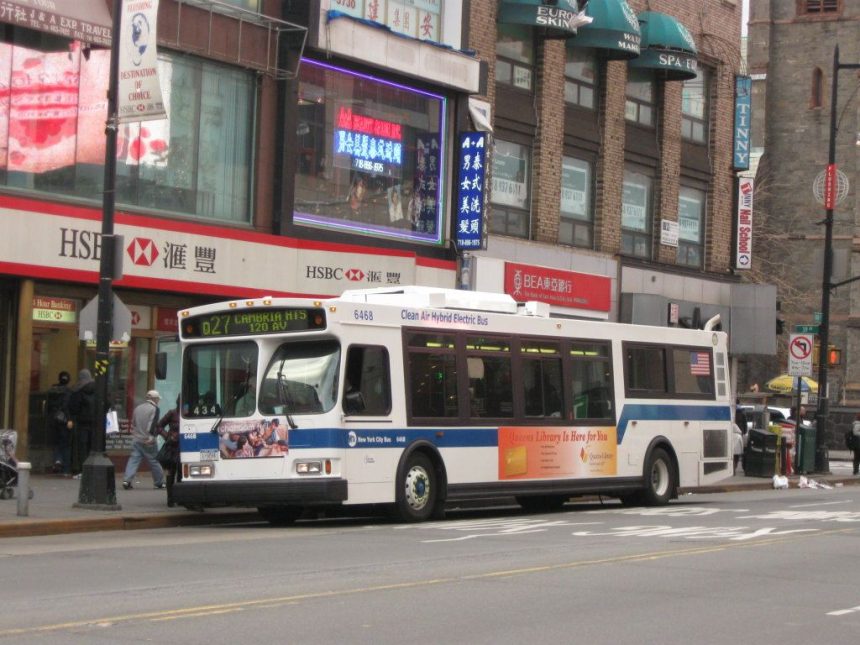
Night bus routes are being extended in the winter timetable to serve hospital and warehouse shifts that finish long after the last daytime service has gone. Transport planners say the changes follow a simple count: thousands of staff in health, logistics and cleaning travel to and from work between midnight and five in the morning, hours when many cities previously offered them almost nothing but expensive taxis or long walks. The revised routes link hospital sites, distribution parks and residential districts on a clock-face pattern through the night, timed where possible to shift changes rather than to a notional timetable. Drivers’ representatives welcomed the extra hours but pressed for proper rest facilities and lighting at night termini, where crews wait between journeys. Passenger groups, who have campaigned on the issue with unions for several years, describe night transport as an equality question in disguise: the workers most dependent on it are among the lowest paid, and least able to absorb the cost of a car or nightly cab fares when services fail to run.
What the Evidence Shows
Early data from cities that already run fuller night networks suggest the benefits compound quietly. Hospitals report fewer agency staff declining night shifts for travel reasons, and warehouses near the new routes say recruitment from car-free neighbourhoods has become easier. Safety measures accompany the timetable: better-lit stops on the night corridors, a staffed control point able to see every vehicle’s location, and a simple rule that nobody is left behind at the final stop of the night. Councils funding the services admit the routes will not cover their costs from fares alone and argue they should be judged like street lighting, as basic infrastructure that lets a city function around the clock. Reviews after the first winter will look at boardings by stop, since the pattern of who actually travels at three in the morning is still poorly understood by planners raised on peak-hour data. For the cleaners, porters and pickers now riding home while the city sleeps, the change is not abstract policy at all. It is the difference between a job that is reachable and one that is not. Reporting and analysis from sources such as Associated Press track the same developments, and specialists following extended night bus routes for shift workers say the direction is now consistent across independent lines of evidence.
The Wider Context
Regional and local reporting on extended night bus routes for shift workers often tells a different story from national coverage, because the effects land unevenly: one town’s pilot is another’s distant proposal. Analysts who follow the subject full-time read the local data first, arguing that national averages conceal the variation that decides whether a policy or a project deserves to spread.
What Happens Next
The longer story of extended night bus routes for shift workers is still being written by the people closest to it, whose experience rarely matches the earliest predictions of either supporters or critics. Reporting will continue to follow the evidence as it accumulates, including where it complicates today’s account. That is the deal serious coverage makes with its readers, and it holds for this subject as for any other. You can follow related developments in our coverage of news.
It is also worth remembering how quickly the picture in this area has changed before. Positions that looked settled a few years ago have been revised as new data arrived, and the same humility is appropriate now. The strongest coverage of this subject, and the most useful advice, tends to come from sources that update their views openly when the facts move, rather than defending an earlier position long after it has stopped fitting the evidence available.
