

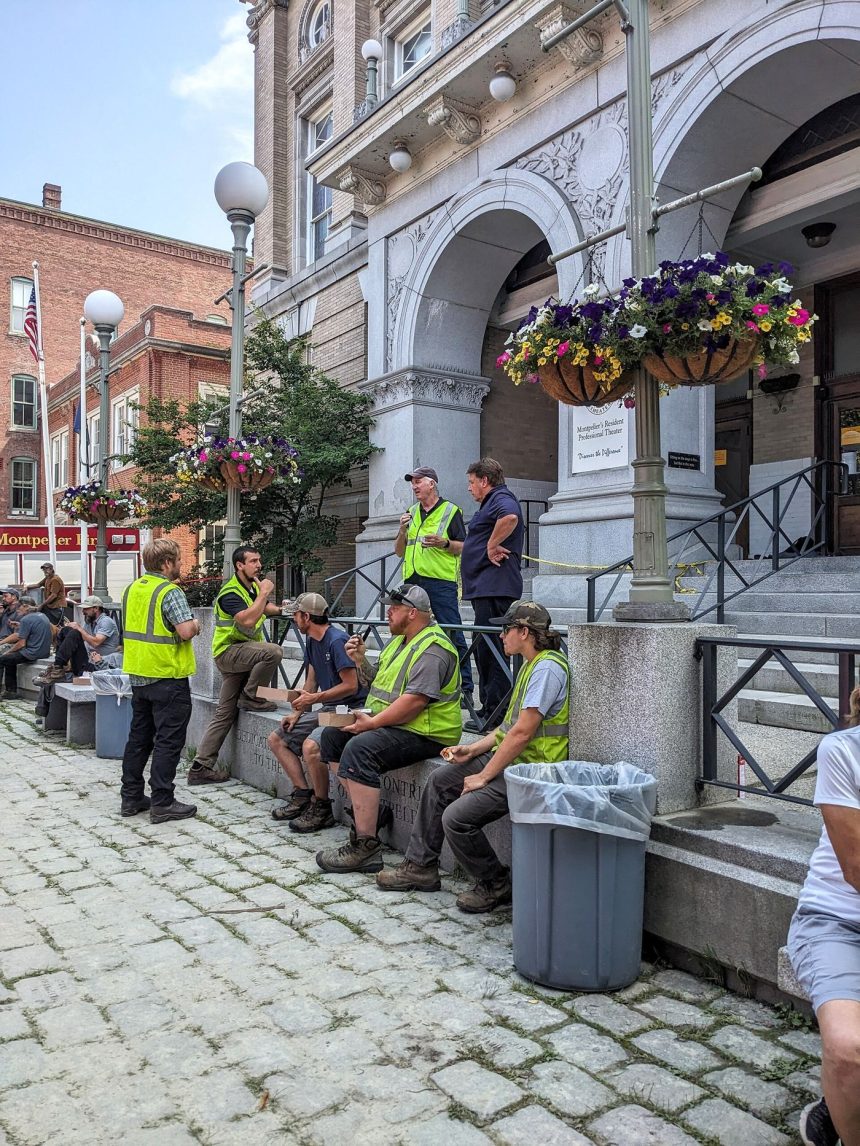
City councils are rewriting their climate plans as heatwaves and floods arrive more often and with greater force than the old plans assumed. The earlier strategies focused mainly on cutting emissions, with targets for cleaner transport and more efficient buildings, and those goals remain. But councils say they must now spend as much effort on adapting to a climate that is already changing, protecting residents from heat that threatens health and from rain that overwhelms drains. New plans include shade for public squares, cooling centres that open during heatwaves, stronger flood defences and rules that keep new homes out of the riskiest areas. The shift is visible in budgets too, with money moving from long-term projects to measures that protect people in the next hot summer or the next heavy storm. Some councils have already opened cooling centres and planted new trees, while others are still drawing up their first adaptation budgets.
What the Evidence Shows
The rewritten plans face a difficult question: who pays for adaptation when the costs are large and the benefits are spread over many years? Councils are asking national governments for more funding, arguing that a city cannot protect itself alone, and are also looking to private investors to help pay for flood defences and cooling infrastructure. Community groups are pushing for the plans to protect the poorest neighbourhoods first, since those areas often have the fewest trees, the worst housing and the least access to cooling. Experts say the plans will only work if they are updated regularly, learning from each heatwave and each flood rather than sitting on a shelf. For residents, the test is practical: whether the next extreme summer or storm leaves their street safer than the last one did. Reporting and analysis from sources such as Associated Press track the same developments, and specialists following city climate adaptation plans say the direction is now consistent across independent lines of evidence.
The Wider Context
Regional and local reporting on city climate adaptation plans often tells a different story from national coverage, because the effects land unevenly: one town’s pilot is another’s distant proposal. Analysts who follow the subject full-time read the local data first, arguing that national averages conceal the variation that decides whether a policy or a project deserves to spread.
What Happens Next
The longer story of city climate adaptation plans is still being written by the people closest to it, whose experience rarely matches the earliest predictions of either supporters or critics. Reporting will continue to follow the evidence as it accumulates, including where it complicates today’s account. That is the deal serious coverage makes with its readers, and it holds for this subject as for any other. You can follow related developments in our coverage of news.
It is also worth remembering how quickly the picture in this area has changed before. Positions that looked settled a few years ago have been revised as new data arrived, and the same humility is appropriate now. The strongest coverage of this subject, and the most useful advice, tends to come from sources that update their views openly when the facts move, rather than defending an earlier position long after it has stopped fitting the evidence available.
