

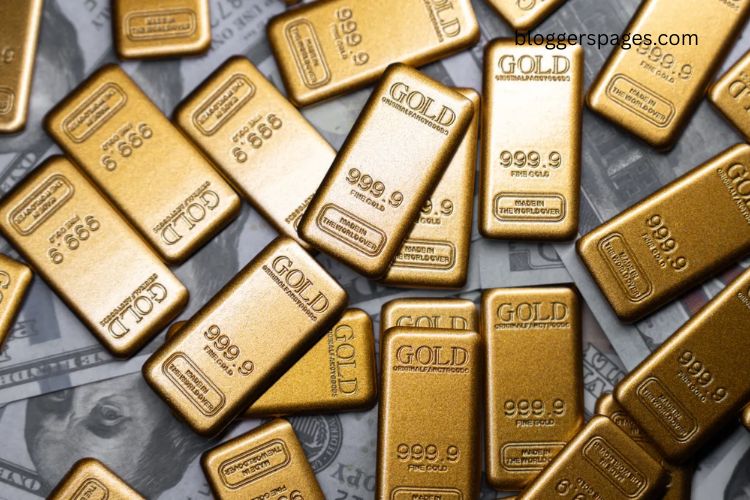
Gold and silver prices soared on Tuesday, reflecting strong investor optimism ahead of the U.S. Federal Reserve’s upcoming interest rate decision. Silver reached a historic milestone, climbing past $60 per ounce amid ongoing supply constraints and rising industrial demand, while gold steadily gained ground in response to market anticipation.
Read More: Berlin Seeks Deal with US as Best Solution to Tariff Conflict
Gold Gains Momentum
Spot gold rose 0.4% to $4,205.36 per ounce, while U.S. gold futures for February delivery added 0.4% to $4,234.40 per ounce. Analysts attribute the rally to expectations of a potential Federal Reserve interest rate cut and a broader market sentiment favoring precious metals as a hedge against economic uncertainty.
“The surge in gold is largely tied to the spike in silver and heightened expectations for another quarter-point rate cut,” said Bob Haberkorn, senior market strategist at RJO Futures. Investors are keeping a close eye on the Fed’s two-day policy meeting, which concludes Wednesday with a crucial interest rate announcement.
Silver Hits Unprecedented $60 per Ounce
Silver prices climbed sharply by 4% to reach $60.52 per ounce, marking an all-time high. The rally is fueled by strong industrial demand and limited supply, with global inventories dwindling. Fawad Razaqzada, market analyst at City Index and FOREX.com, highlighted that “the buying momentum is strong at the moment as investors anticipate years of robust industrial demand for silver.”
The white metal’s surge also reflects its recent addition to the U.S. critical minerals list, underlining its strategic importance in modern industries such as solar energy, electric vehicles, data centers, and artificial intelligence.
Supply Constraints and Industrial Demand Drive Prices
Persistent low supply and shrinking global inventories have intensified upward pressure on silver prices. Analysts expect that growing industrial demand will continue to support higher valuations. According to research from the Silver Institute, sectors including renewable energy, EV infrastructure, and AI-driven data centers will drive demand for silver through 2030.
“Metals are volatile by nature, but unless we fix the deficit, silver only has one way to go, and that is up,” said Maria Smirnova, senior portfolio manager and chief investment officer at Sprott Asset Management. The ongoing supply-demand imbalance makes silver an attractive investment for both industrial users and market speculators.
Fed Rate Hopes Influence Precious Metals
The Federal Reserve’s upcoming policy decision remains a key factor influencing gold and silver prices. While the market anticipates a 25-basis-point rate cut, the recent U.S. Labor Department JOLTS report showed that job openings increased by 12,000 to 7.67 million in October, exceeding forecasts of 7.15 million. This indicates a robust labor market, which could temper expectations of an immediate rate cut.
Traders currently assign an 87.4% probability of a 25-basis-point cut, slightly lower than before the jobs report. Despite this, gold and silver have maintained upward momentum. Haberkorn predicts that “silver could trade over $70 an ounce in the first half of 2026, and gold is on a path toward $5,000 an ounce,” signaling continued investor confidence in the metals sector.
Market Analysts Cite Silver as Key Driver
Silver’s sharp rise has had a knock-on effect on gold prices. Investors view the white metal as a bellwether for industrial demand and broader market sentiment. The combination of limited supply, strategic importance, and high industrial usage has created a perfect storm for rising silver prices.
Analysts note that industrial adoption, particularly in renewable energy technologies and EV production, will continue to push silver demand higher. As global infrastructure projects and clean energy initiatives expand, the need for silver in electrical and electronic components is expected to remain strong.
Platinum and Palladium Also See Gains
Other precious metals have also experienced notable gains. Platinum rose 2.8% to $1,688.30 per ounce, while palladium increased 2.6% to $1,503.43 per ounce. These metals benefit from industrial demand, particularly in automotive manufacturing and catalytic converters, further demonstrating the influence of industrial usage on precious metal prices.
Investment Strategies in the Current Market
The recent movements in gold and silver highlight the growing appeal of precious metals as both an investment and a hedge against economic volatility. Investors are increasingly considering metals as a safe haven amid uncertain monetary policy and a strong labor market.
Experts recommend monitoring supply trends, industrial demand, and Fed policy announcements closely. With silver poised for potential gains and gold steadily rising, diversifying a portfolio with exposure to these metals may offer long-term benefits.
Future Outlook for Gold and Silver
Looking ahead, precious metals markets are likely to remain dynamic. Analysts forecast that gold could reach $5,000 per ounce within the next year or two, driven by ongoing economic uncertainty and interest rate adjustments. Silver, meanwhile, is expected to continue its upward trajectory, potentially surpassing $70 per ounce in early 2026, supported by industrial demand and constrained supplies.
Investors should also watch for shifts in policy, economic indicators, and technological adoption. As sectors like renewable energy and AI continue to expand, metals such as silver, platinum, and palladium are likely to play increasingly critical roles, both industrially and financially.
Frequently Asked Questions:
Why did gold prices rise recently?
Gold rose due to market optimism ahead of the U.S. Federal Reserve’s anticipated interest rate decision. Investors are seeking a safe haven amid economic uncertainty, expecting a possible rate cut.
What caused silver to reach $60 per ounce?
Silver surged to $60/oz due to strong industrial demand, low global supplies, and its addition to the U.S. critical minerals list. Limited inventories and market speculation also fueled the historic climb.
How does the Fed’s interest rate decision affect precious metals?
A potential rate cut lowers borrowing costs and weakens the U.S. dollar, making gold and silver more attractive. Expectations of easing policy can drive prices higher.
Which sectors are driving industrial demand for silver?
Key sectors include solar energy, electric vehicles and their infrastructure, data centers, and artificial intelligence. These industries require silver for electrical components and advanced technologies.
Is the surge in precious metals expected to continue?
Analysts predict continued growth. Silver could exceed $70/oz in 2026, and gold may approach $5,000/oz, supported by supply constraints, industrial demand, and macroeconomic trends.
How did other metals perform amid this rally?
Platinum rose 2.8% to $1,688/oz, and palladium increased 2.6% to $1,503/oz, benefiting from industrial demand in automotive and technology sectors.
Should investors consider buying gold and silver now?
Precious metals remain attractive for portfolio diversification and as a hedge against inflation or economic uncertainty. Investors should monitor Fed policy, industrial demand, and supply trends before making decisions.
Conclusion
Gold and silver are demonstrating remarkable strength as investors anticipate the Federal Reserve’s interest rate decision. Silver’s historic climb past $60 per ounce reflects a combination of supply constraints, growing industrial demand, and strategic importance in emerging technologies, while gold continues to attract investors seeking a safe haven amid economic uncertainty. With ongoing demand from sectors such as renewable energy, electric vehicles, and advanced technology, both metals are poised for sustained growth. Analysts predict silver could surpass $70 per ounce and gold may approach $5,000 in the near future.
