

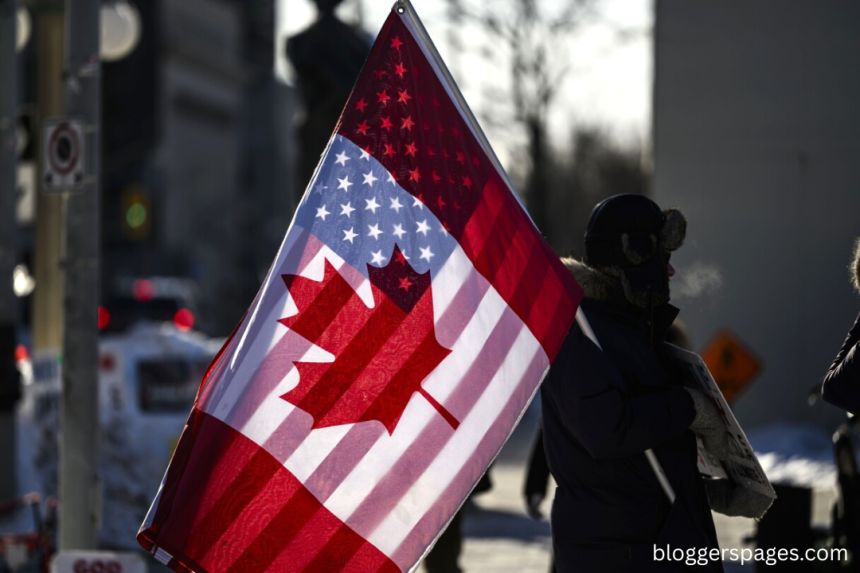
Tariff conflict remains a dominant theme in transatlantic economic relations, with Germany positioning itself as a key proponent of diplomacy over discord. As trade tensions between the United States and the European Union simmer, Berlin has reiterated its commitment to resolving disputes through dialogue rather than escalation. Germany’s finance minister recently emphasized that a mutually beneficial agreement with the US is still the preferred path forward, underscoring the economic and political stakes of a prolonged tariff conflict.
Germany’s Position on Tariff Conflict
The German government has consistently advocated for stable trade relations with the US, particularly as protectionist measures threaten industrial supply chains and economic growth. Tariffs on steel, aluminum, and other goods have already strained EU-U.S. relations. In the context of this tariff conflict, Germany has emerged as a diplomatic voice, urging negotiations and compromise.
The finance minister’s latest statement reflects Berlin’s long-standing stance: international cooperation trumps confrontation. While acknowledging that the EU must be prepared to respond to unfair trade practices, Germany remains hopeful that diplomacy will prevail.
Historical Background of the Tariff Conflict
The current tariff conflict dates back to the US administration’s decision to impose tariffs on European steel and aluminum exports, citing national security concerns. The EU responded with retaliatory tariffs on American goods, ranging from motorcycles to bourbon. This tit-for-tat approach heightened tensions and raised fears of a full-blown trade war.
Although temporary truce agreements were reached under subsequent administrations, underlying disputes—particularly those concerning subsidies and digital taxation—have kept the conflict alive. For Germany, whose economy is heavily export-driven, these tariffs pose significant risks.
Economic Impact of the Tariff Conflict on Germany
Germany, as the EU’s largest economy and one of the world’s leading exporters, has felt the consequences of the tariff conflict acutely. German car manufacturers, machinery producers, and chemical companies rely on transatlantic trade to drive growth. Tariffs have disrupted these sectors, increasing costs and introducing uncertainty into supply chains.
According to economic reports, the tariff conflict has led to reduced export volumes and increased business hesitancy. German industrial output has shown signs of volatility, with firms citing trade uncertainty as a key concern.
U.S. – EU Trade Relations in a Changing Global Economy
The tariff conflict must be viewed within the larger context of shifting global trade dynamics. With rising economic nationalism and supply chain realignment, both the US and EU are reassessing their trade strategies. Germany, while supporting EU unity, recognizes the importance of maintaining a strong economic relationship with Washington.
Trade with the US not only supports German jobs but also reinforces broader geopolitical ties. In this environment, resolving the tariff conflict becomes a strategic priority.
Steps Toward Resolution – Recent Diplomatic Efforts
In recent months, there has been renewed momentum toward settling the tariff conflict. High-level meetings between US and EU trade officials have focused on de-escalating tensions and finding common ground. Germany has played an instrumental role in these efforts, proposing mechanisms for dispute resolution and fair competition.
One such step was the establishment of the U.S.-EU Trade and Technology Council. Through this platform, both sides aim to harmonize standards and reduce trade friction. Germany believes that such institutional cooperation can pave the way for long-term solutions.
Germany’s Domestic Perspective on the Tariff Conflict
Domestically, the tariff conflict is a subject of debate among German policymakers and industry leaders. Business associations have warned that persistent trade disputes could damage Germany’s economic model. Export-oriented industries are urging the government to prioritize negotiation and avoid any escalation.
Public opinion also supports diplomatic solutions. Surveys indicate that a majority of Germans favor strong international partnerships over protectionism, aligning with the government’s position.
The Role of the European Union in Tariff Negotiations
While Germany leads calls for resolution, any agreement must come through the EU as a bloc. Trade policy is a shared competence, and the EU negotiates on behalf of its member states. This collective approach adds complexity to resolving the tariff conflict, as internal EU consensus is necessary.
Nonetheless, Germany wields considerable influence within the EU and has pushed for a unified strategy that emphasizes openness and rules-based trade. By aligning its national interests with broader EU goals, Berlin aims to present a coherent front in negotiations.
Potential Outcomes of the Tariff Conflict
Several scenarios could emerge from the ongoing tariff conflict:
- Diplomatic Resolution: A negotiated agreement that reduces or eliminates tariffs, fosters mutual trust, and enhances regulatory alignment.
- Prolonged Stalemate: Continued uncertainty, with temporary pauses in tariff hikes but no substantive agreement.
- Escalation: Renewed tariff impositions from either side, risking a broader trade war and more significant economic disruption.
Germany remains committed to the first outcome, emphasizing that long-term cooperation serves all parties better than short-term gains.
Global Ramifications of the Tariff Conflict
Beyond EuropThect has global implications. Trade tension between major economies outside Europe and the US impacts global supply chains, investor confidence, and economic stability. Emerging markets, in particular, are vulnerable to spillover effects, such as currency volatility and trade diversion.
Germany’s approach—anchored in multilateralism—seeks to reinforce global trade norms and prevent the erosion of the World Trade Organization’s authority. A resolution to the tariff conflict could signal a broader commitment to re-establishing the international trade order.
Business Response to the Tariff Conflict
German businesses are adapting to the realities of the tariff conflict by diversifying markets, reevaluating supply chains, and investing in local production in the US. Some firms are also engaging in lobbying efforts to influence trade policy both domestically and in Brussels.
The automotive industry has been particularly vocal, as US tariffs on German cars could cost billions. Industry leaders have urged policymakers to act swiftly to resolve the dispute and preserve competitiveness.
Technological Cooperation as a Bridge
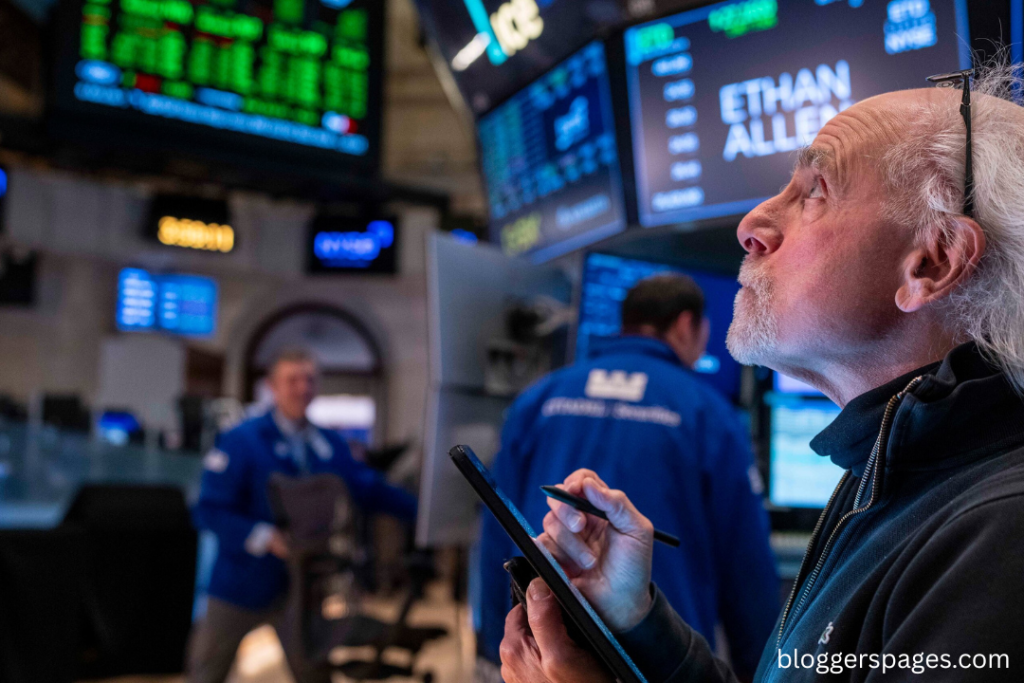
One promising avenue for easing the tariff conflict is technological cooperation. Both Germany and the U.S. are leaders in innovation, and joint efforts in fields like AI, green energy, and digital regulation can strengthen economic ties.
Such collaboration reduces friction and aligns with future-oriented policies. Germany sees tech diplomacy as a complement to trade diplomacy, with the potential to unlock shared growth and innovation.
Germany’s Long Term Trade Vision
Germany’s vision extends beyond resolving the current tariff conflict. Berlin is advocating for a new era of transatlantic trade built on sustainability, digital innovation, and fair competition. The finance minister’s emphasis on agreement reflects this forward-thinking approach.
Rather than reverting to isolationism, Germany seeks to modernize trade frameworks and prepare for emerging challenges. A successful resolution to the tariff conflict could catalyze broader reforms.
Frequently Asked Questions (FAQ’s)
What is a tariff conflict?
A tariff conflict occurs when two or more countries impose taxes or duties on each other’s imports, often as a response to perceived unfair trade practices. These conflicts can lead to higher consumer prices, disrupted supply chains, and strained diplomatic relations.
Why are Germany and the US involved in a tariff conflict?
Germany, as part of the European Union, became involved in a tariff conflict with the United States due to imposed tariffs on steel, aluminum, and other goods. These actions were the US initially justified these actions grounds, prompting EU retaliation.
How is Germany responding to the tariff conflict?
Germany is advocating for diplomatic negotiations over continued trade tensions. German officials, including the finance minister, have stated that a formal agreement with the United States remains the most viable and preferred solution.
What impact has the tariff conflict had on Germany’s economy?
The tariff conflict has affected export-heavy sectors such as automotive and manufacturing. German companies have faced increased costs and reduced competitiveness in US markets, leading to economic uncertainty and calls for a resolution.
What role does the European Union play in resolving the tariff conflict?
Trade policy within the EU is handled collectively, meaning any deal to end the tariff conflict must be negotiated by the EU as a whole. Germany plays a leading role in shaping EU policy but must work in coordination with other member states.
How do overseas markets react to tariff conflicts?
Tariff conflicts can cause volatility in global markets, disrupt international supply chains, and shift trade flows. Countries not directly involved may also experience secondary effects, such as currency fluctuations or shifts in investment strategies.
Can the tariff conflict be resolved soon?
While progress has been made through diplomatic channels, such as the U.S.-EU Trade and Technology Council, the resolution depends on continued political will and compromise. Germany remains hopeful that sustained dialogue will end the dispute.
Why is resolving the tariff conflict important for global trade?
Ending the tariff conflict between significant economies like the US and Germany helps restore stability, protect jobs, and uphold multilateral trade rules. A resolution also signals to other nations the value of cooperation over unilateral measures.
Conclusion
The tariff conflict between the US and Germany (within the EU framework) highlights the tension between protectionism and global cooperation. While trade disputes are not new, the stakes are higher in today’s interconnected economy. Germany, through persistent diplomatic efforts and a commitment to international norms, continues to push for a peaceful resolution. As talks continue, all eyes remain on whether cooperation will ultimately prevail over confrontation.
