

TSMC (Taiwan Semiconductor Manufacturing Company) continues to lead the charge in semiconductor manufacturing with its latest innovation an advanced, faster chip designed to meet the ever growing demands of modern technology. This breakthrough promises to deliver not only speedier processing speeds but also enhanced energy efficiency, setting a new standard for the semiconductor industry. As the global leader in chip production, TSMC’s developments are shaping the future of tech products, from smartphones and computers to AI and automotive systems. With its advanced chip technology, TSMC is once again reinforcing its position as a key player in the race to power the next generation of digital devices.
What Makes TSMC’s Advanced Faster Chip Unique?
TSMC’s new chip technology brings several groundbreaking features that distinguish it from older designs. This includes both performance improvements and energy efficiency. Here’s how TSMC’s advanced chip stands out:
Enhanced Performance
The most significant advantage of TSMC’s new chip is its enhanced performance. By using state-of-the-art 5-nanometer process technology, TSMC is able to pack more transistors into a smaller area, leading to faster processing speeds. This increased transistor density enables devices powered by TSMC’s chips to perform tasks more efficiently, from gaming to data processing.
Energy Efficiency
With rising demand for energy-efficient solutions, TSMC’s advanced chip reduces power consumption without sacrificing performance. These chips are designed to be highly energy-efficient, enabling longer battery life in mobile devices and reduced energy use in larger systems, such as servers and data centers.
Miniaturization for Smaller Devices
Another key feature of TSMC’s chip is its ability to fit more power into smaller devices. As consumer demand for smaller and lighter gadgets grows, the need for more minor chips that deliver faster processing speeds becomes increasingly essential. TSMC’s chip technology allows manufacturers to design thinner, lighter devices without compromising on performance.
The Role of TSMC in Semiconductor Manufacturing
TSMC has long been a leader in the semiconductor manufacturing industry. It is known for its ability to innovate and meet the needs of companies in various industries. The company serves as a foundry for some of the biggest names in technology, including Apple, Nvidia, and Qualcomm.
Collaborations and Partnerships
TSMC’s collaborations with major companies have helped fuel its technological advancements. For example, TSMC has worked closely with Apple to develop custom chips that power iPhones and MacBooks. The company’s ability to meet the complex needs of its partners is a significant factor in its continued success and innovation.
Manufacturing Excellence
With its cutting-edge semiconductor fabrication plants (fabs), TSMC employs the most advanced manufacturing techniques in the industry. The company’s use of extreme ultraviolet (EUV) lithography allows for precise production of smaller, more efficient transistors. This technological capability allows TSMC to continue delivering top-tier performance and efficiency in every chip it manufactures.
The Impact of TSMC’s Advanced Chip on the Tech Industry
TSMC’s new chip will have far-reaching implications across various industries. Here’s a look at how different sectors will benefit from this new technology:
Consumer Electronics
TSMC’s advanced chip promises significant improvements in consumer electronics, particularly smartphones, tablets, and laptops. The higher performance and better energy efficiency will lead to faster devices with longer battery life, which is a top priority for tech consumers today.
Smartphones and Mobile Devices
Mobile devices are among the biggest beneficiaries of TSMC’s new chip technology. Smartphones, in particular, will experience faster processing speeds, which means apps will load more quickly, games will run smoother, and users will have a more responsive experience overall. Additionally, battery life improvements mean consumers can use their devices for longer without needing to recharge.
Artificial Intelligence (AI) and Machine Learning
As artificial intelligence continues to evolve, the need for faster processing capabilities becomes more critical. TSMC’s advanced chip allows AI and machine learning models to train faster, perform real-time data analysis, and run complex algorithms more efficiently. This chip will enable AI applications in a variety of fields, including healthcare, autonomous vehicles, and robotics.
AI-Powered Applications
The faster and more efficient chips enable a wide range of AI applications. In healthcare, for instance, faster data processing can help improve diagnostic accuracy and treatment recommendations. In autonomous driving, the chip can enable more responsive real-time decision-making, helping to advance the development of self-driving vehicles.
Automotive Industry
In the automotive sector, TSMC’s chips will play a critical role in the development of electric vehicles (EVs) and autonomous driving systems. As more vehicles incorporate digital systems for navigation, energy management, and self-driving features, TSMC’s advanced chip will be crucial for enabling these functions.
Electric Vehicles and Autonomous Systems
With its faster processing speeds and energy efficiency, TSMC’s chip can support critical functions such as battery management and autonomous driving capabilities. This is particularly significant for electric vehicles, which depend on complex systems to manage energy usage and optimize performance.
TSMC’s Competitive Edge in Semiconductor Manufacturing
TSMC’s consistent success can be attributed to several factors that provide it with a competitive edge in the global semiconductor market.
Investment in Research and Development (R&D)
TSMC’s heavy investment in research and development is a cornerstone of its success. By continually pushing the boundaries of chip technology, TSMC stays ahead of competitors and is able to introduce cutting-edge products that meet the increasing demands of modern technology.
State-of-the-Art Manufacturing Facilities
TSMC operates some of the most advanced manufacturing facilities in the world. The company’s use of EUV lithography, along with other next-gen techniques, allows it to produce chips at the most minor process nodes available. This technological advantage positions TSMC to meet the needs of today’s most demanding applications, from consumer devices to data centers.
The Future of TSMC and Semiconductor Technology
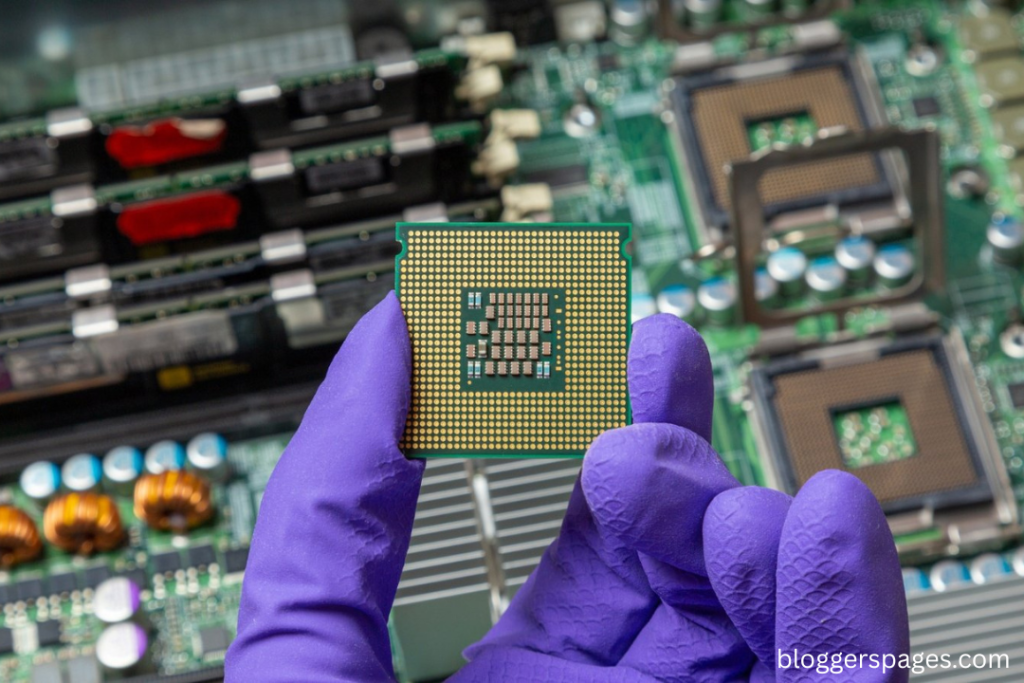
As TSMC continues to lead the semiconductor industry, its future looks bright. The company is already preparing for the next generation of chips that will drive the future of technology.
Expanding Market Opportunities
TSMC’s advanced chip sets the stage for the future of industries such as AI, 5G, and electric vehicles. As demand for high-performance chips grows, TSMC is positioned to meet this demand, ensuring that its customers remain competitive in the rapidly evolving tech landscape.
Sustainability and Environmental Responsibility
Sustainability is becoming an increasingly important factor in semiconductor manufacturing. TSMC is committed to minimizing its environmental impact by adopting energy-efficient production practices and creating eco-friendly chips that help reduce the carbon footprint of digital technologies.
Frequently Asked Questions (FAQs)
What makes TSMC’s new chip faster than previous models?
It uses the latest 5nm process technology, which increases transistor density, leading to faster processing speeds and improved performance.
How does TSMC’s chip improve battery life?
The chip is designed to be more energy-efficient, reducing power consumption and helping devices last longer on a single charge.
What industries will benefit from TSMC’s advanced chip?
TSMC’s new chip will benefit industries such as consumer electronics, AI, automotive, and telecommunications.
How does TSMC stay ahead of its competitors in semiconductor manufacturing?
TSMC leads through continuous investment in R&D and by using the most advanced manufacturing techniques available, such as EUV lithography.
Will TSMC’s chip be used in electric vehicles?
Yes, TSMC’s advanced chip technology will play a critical role in the development of electric cars, particularly in energy management and autonomous driving systems.
What is EUV lithography, and why is it essential for TSMC?
EUV lithography is a next-generation technology that allows TSMC to produce smaller and more efficient transistors. It plays a crucial role in creating high-performance chips.
How does TSMC contribute to environmental sustainability?
To reduce its environmental impact, TSMC focuses on energy-efficient manufacturing and producing eco-friendly chips.
What can we expect from TSMC in the future?
TSMC will continue to lead the semiconductor industry with advancements in chip performance and efficiency, expanding its presence in AI, 5G, and other high-tech sectors.
Conclusion
TSMC’s new advanced chip marks a significant milestone in the world of semiconductor technology. With its enhanced performance, energy efficiency, and smaller form factor, this chip is poised to change the way we interact with technology. Whether it’s in consumer electronics, artificial intelligence, or the automotive industry, TSMC’s innovation will have a lasting impact across various sectors. As TSMC continues to push the boundaries of what’s possible in chip manufacturing, the future of technology looks brighter and more promising than ever.
