

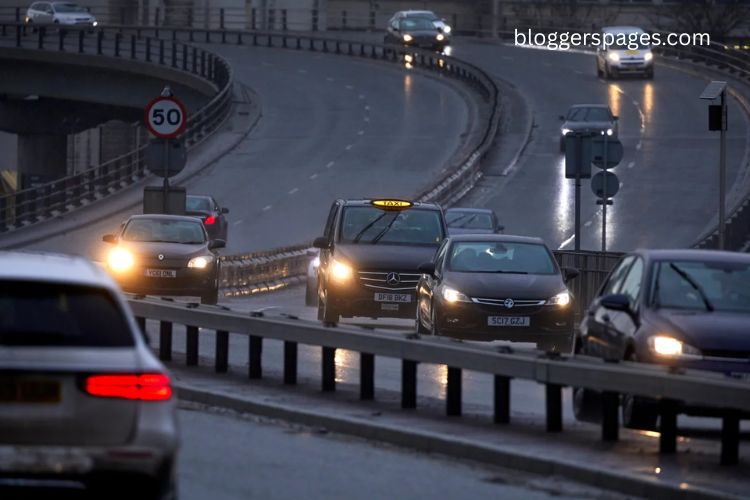
The rising cost of home-to-school transport in England has become a pressing concern, with expenses now reaching £2.3 billion annually. MPs on the Public Accounts Committee have suggested renaming the service “assisted travel to school” to better manage parental expectations and clarify the scope of support provided by local authorities.
Redefining Expectations in School Transport
Local authorities emphasize their commitment to helping children entitled to support get to school. However, officials argue that this does not mean providing a door-to-door taxi service for every child. During a recent committee session, experts highlighted that post-COVID arrangements, which often involved single taxis for health reasons, have persisted longer than necessary, adding to the financial strain.
Rose McArthur, chair of the Home-to-School Transport Working Group at the Association of Directors of Environment, Economy, Planning and Transport (Adept), emphasized the importance of language in shaping expectations. She noted, “It does not have to be home-to-school, it could be home to a bus stop, or a walking route … We want children to access education, but this does not have to be a door-to-door taxi service.”
She added that there is often over-provision built into the system, which could be addressed by utilizing commercial bus services more efficiently and improving coordination between transport and education sectors.
Amanda Hopgood, chair of the Children, Young People, and Families Committee at the Local Government Association, agreed with this approach, stating, “It’s assisted travel to school, as opposed to home-to-school transport.”
Why Costs Are Rising
The National Audit Office (NAO) reports that the rising costs are largely driven by the increasing number of children with special educational needs and disabilities (SEND) who need to travel further to schools equipped to meet their requirements. Out of the 470,000 children under 16 benefiting from transport support, around 180,000 (40%) have SEND.
Councils often spend five times more on SEND transport, as these children frequently require single-occupancy taxis to meet their specific needs. This disparity contributes significantly to the £2.3 billion annual bill, highlighting the need for more efficient transport strategies.
Addressing the Legacy of COVID-19
The COVID-19 pandemic introduced a temporary shift in transport arrangements, with many children placed in single taxis to reduce infection risks. Now, councils face challenges in persuading families to return to shared transport options, even where it is safe and appropriate.
Amanda Hopgood explained, “We have the legacy of COVID, where many children were in single taxis for obvious reasons. People have been reluctant to give that up. We need to demonstrate that shared or alternative transport options can still meet a young person’s needs safely.”
The Debate Over Discretionary Support
Another concern raised during the committee session was the reduction of transport support for 16 to 19-year-olds, which councils treat as discretionary. Anna Bird, CEO of Contact, a charity supporting families with disabled children, warned that cutting services for older students could create inequities.
“Some children will always need support to get to school, regardless of age or proximity. The system must provide a fair approach based on need, not age,” Bird emphasized.
Parental Experiences and Frustrations
MPs also heard about the real-world impact on families navigating the system. Sarah Hall, Labour MP for Warrington South, shared feedback from parents and carers of children with SEND in her constituency.
“Parents feel they have to fight for support every step of the way,” Hall said. “They find it demoralizing. Parents’ voices need to be heard more, and the system should be less complex. Many parents are unclear about entitlements, and this causes unnecessary stress.”
Proposals for a Smarter System
Witnesses suggested that home-to-school transport could be redesigned from scratch to better balance support with efficiency. Some proposals included:
Using commercial bus services and exploring options under the Bus Franchising Bill.
Encouraging walking routes or supervised bus stops for children who do not require individual taxis.
Coordinating transport planning between local councils and schools to reduce costs without compromising accessibility.
Improving clarity and communication for parents about eligibility and entitlements.
The overarching goal is to retain support for children who genuinely need it while eliminating unnecessary costs associated with over-provision.
The Importance of Collaboration
Experts emphasized that achieving a sustainable, cost-effective system requires cooperation between education and transport sectors. By aligning services and streamlining expectations, councils could reduce reliance on single-occupancy taxis, lower expenses, and still provide safe, accessible travel for all children.
Frequently Asked Questions:
Why are MPs calling for changes to home-to-school transport?
MPs are concerned about the rising costs, now reaching £2.3 billion annually, and the need to better manage parental expectations while maintaining support for children with special educational needs and disabilities (SEND).
What is the suggested new name for home-to-school transport?
Experts recommend renaming it “assisted travel to school” to reflect that support does not always mean a door-to-door taxi service.
Who is eligible for free school transport in England?
Children who cannot walk to their nearest suitable school due to distance, SEND, disabilities, or safety concerns are entitled to support.
Why have costs increased so significantly?
The rise is largely due to more children with SEND needing specialized travel arrangements, often involving single-occupancy taxis that are more expensive than shared options.
How has COVID-19 affected school transport?
During the pandemic, single taxis were used to reduce infection risks. Many families continue to rely on this system, increasing costs even after health restrictions eased.
Are older students affected by transport cuts?
Yes. Support for 16 to 19-year-olds is discretionary, and councils have reduced it, which raises concerns about fairness and accessibility for older students with SEND.
What alternatives are being considered to reduce costs?
Authorities are exploring options such as supervised walking routes, shared buses, commercial bus services, and improved coordination between transport and education services.
Conclusion
Rising costs and parental frustrations have highlighted the urgent need to rethink home-to-school transport in England. Renaming it “assisted travel to school” reflects a shift toward a practical, needs-based approach, focusing on children who genuinely require support while reducing unnecessary expenditure. By embracing shared transport options, improving coordination between education and transport services, and providing clear guidance for parents, local authorities can create a fairer, more efficient system. These reforms ensure that vulnerable children continue to access education safely, while public funds are used responsibly and effectively.
