

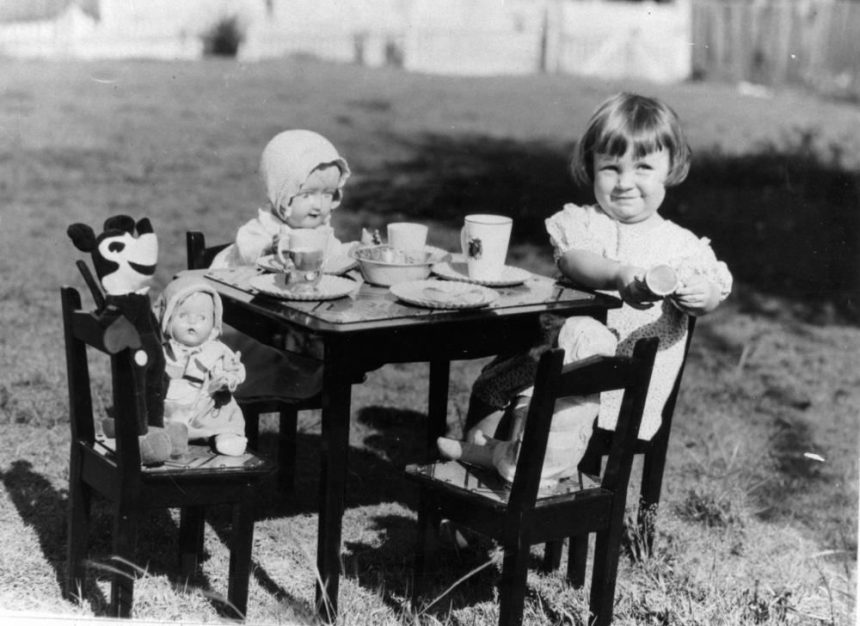
Many young children invent a friend no one else can see, giving the companion a name, a personality and a regular seat at the dinner table, and psychologists say this is not a worry but a sign of a healthy, creative mind. Studies suggest that as many as two in three children create an imaginary friend at some point, usually between the ages of three and seven, when imagination is at its most vivid. The friend serves many purposes, from a playmate when no one else is around to a safe person with whom to practise conversations and test ideas. Researchers say children with imaginary friends often show stronger language skills, since they spend hours talking to their companion, and better social understanding, since they must imagine what another mind thinks and feels. Parents sometimes worry that the friend is a sign of loneliness, but studies find that these children are usually just as sociable as their peers, and often more so.
What the Evidence Shows
Experts say the best response from adults is to play along gently, asking about the friend and making room for it, without ever mocking the child or pretending the friend is real in a way that confuses them. They add that the friend usually fades on its own as the child grows, often around the time school friendships take over, and that there is no need to hurry the goodbye. The friend can also help a child through difficult moments, from a new sibling to a move to a new home, giving them a companion who is always on their side. Psychologists note that adults who had imaginary friends often remember them fondly, and that the creativity behind them is the same imagination that later fuels storytelling, art and invention. For parents, the message is reassuring: the invisible friend at the table is not a problem to solve, but a childhood at work. Reporting and analysis from sources such as American Psychological Association track the same developments, and specialists following the world of imaginary friends say the direction is now consistent across independent lines of evidence.
The Wider Context
The wider context is a discipline rebuilding confidence through replication and pre-registration, and findings on the world of imaginary friends are being reported with their effect sizes and limits attached. That honesty can make results sound smaller than the headlines of a decade ago, but the effects that survive are the ones practitioners can responsibly build on.
What Happens Next
What happens next in research on the world of imaginary friends is a turn toward real-world trials: longer, larger and conducted in the schools, workplaces and clinics where the findings are meant to apply. Psychologists are also studying individual differences more seriously, because average effects conceal the people for whom an approach works powerfully and those it leaves cold. Both shifts make the science slower and more useful. You can follow related developments in our coverage of psychology.
There is a practical lesson in all of this for readers deciding what to do today. Start with the verified facts, be wary of anyone promising certainty, and prefer reversible steps while the evidence is still developing. Circumstances differ by country, income and personal situation, so general guidance should always be weighed against your own context before you act on it in any significant or lasting way.
