

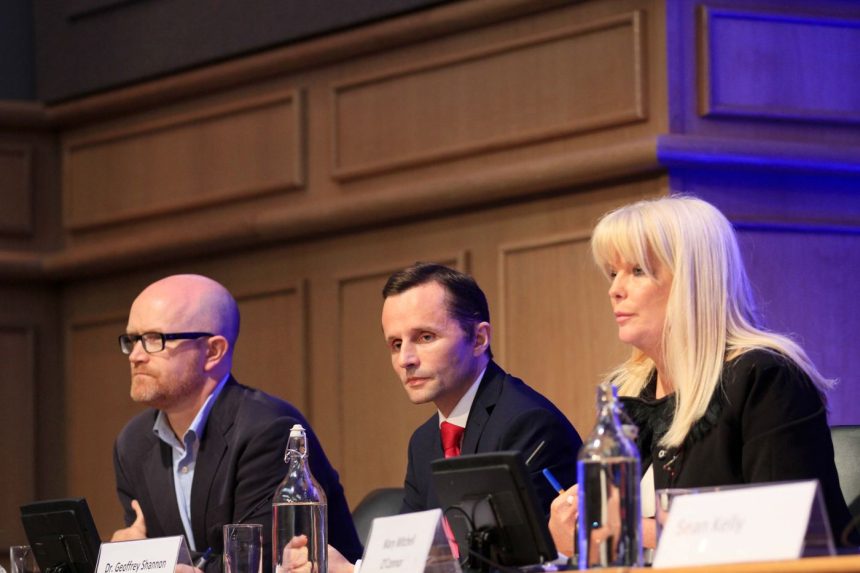
Climate summit negotiations have reached their hardest stage, with the question of who pays for the damage caused by a warming planet dividing rich and poor countries. Developing nations say they did too little to cause the problem yet suffer the worst floods, droughts and storms, and they are asking for far more money to adapt and to recover from disasters. Rich countries say their budgets are stretched and that fast-growing economies should contribute too, a demand that has become a sticking point in the talks. Draft texts have been circulated and rejected, deadlines have slipped, and delegates are working through the night in an effort to reach a deal. Observers say the summit will be judged not by the speeches but by the numbers, and whether the promised finance is new money or money relabelled from existing aid. The talks continue, with the outcome still uncertain and the pressure mounting on every delegation in the room.
What the Evidence Shows
The argument over finance reflects a deeper disagreement about fairness and responsibility. Poor countries point out that the largest historical emitters built their wealth on fossil fuels, and argue that help with adaptation is a matter of justice, not charity. Rich countries reply that the world has changed, with new large emitters that were poor when the first climate agreements were signed, and that the burden should be shared more widely. Small island states, facing the loss of their land to rising seas, say the debate is not abstract for them, and that every year of delay raises the cost of the damage. If a deal is reached, it will likely include new funding pledges and a timetable for reviewing them. If the talks fail, trust between the two sides will be harder to rebuild, and the next summit will start from a worse position. Reporting and analysis from sources such as Associated Press track the same developments, and specialists following climate summit finance deadlock say the direction is now consistent across independent lines of evidence.
The Wider Context
Regional and local reporting on climate summit finance deadlock often tells a different story from national coverage, because the effects land unevenly: one town’s pilot is another’s distant proposal. Analysts who follow the subject full-time read the local data first, arguing that national averages conceal the variation that decides whether a policy or a project deserves to spread.
What Happens Next
The longer story of climate summit finance deadlock is still being written by the people closest to it, whose experience rarely matches the earliest predictions of either supporters or critics. Reporting will continue to follow the evidence as it accumulates, including where it complicates today’s account. That is the deal serious coverage makes with its readers, and it holds for this subject as for any other. You can follow related developments in our coverage of news.
It is also worth remembering how quickly the picture in this area has changed before. Positions that looked settled a few years ago have been revised as new data arrived, and the same humility is appropriate now. The strongest coverage of this subject, and the most useful advice, tends to come from sources that update their views openly when the facts move, rather than defending an earlier position long after it has stopped fitting the evidence available.
