

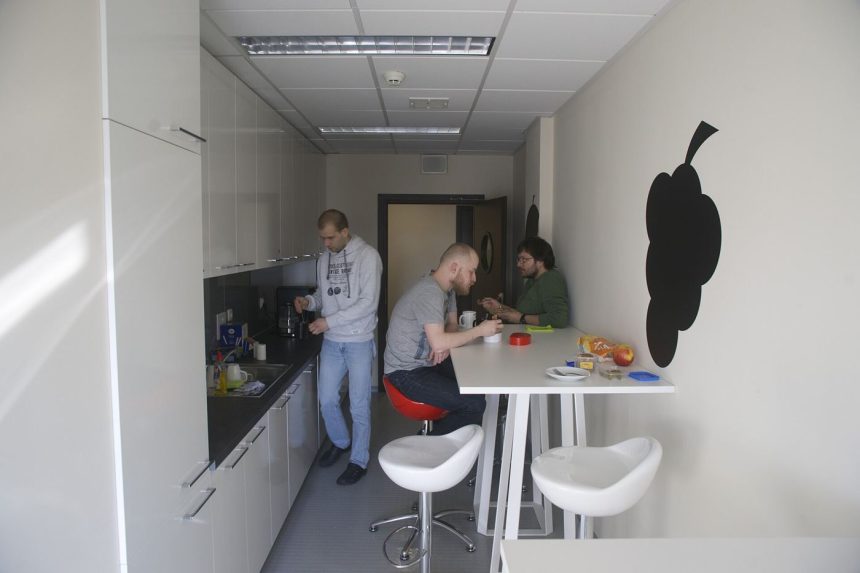
Taking a proper lunch break away from the desk restores afternoon concentration more effectively than eating while continuing to work, according to occupational psychologists examining how recovery during the day affects performance and wellbeing. Workers in their studies who left their workstations, ate without screens, and spent part of the break in conversation, fresh air, or quiet rest returned with better focus and reported less end of day exhaustion than colleagues who treated lunch as an extension of the working morning. The difference was not explained by the food alone, since both groups ate similar meals, but by psychological detachment, the experience of genuinely switching off from tasks, messages, and workplace demands for a period. Without that detachment, researchers argue, the mind continues rehearsing problems and monitoring inboxes, so the break provides calories without providing recovery. Many participants admitted they routinely skipped or shortened lunch under deadline pressure, believing they were gaining time, yet their afternoon error rates and slower pace often cancelled out the apparent saving. The findings have prompted discussion among employers reviewing whether break culture in practice matches the breaks their policies formally describe.
What the Evidence Shows
Follow up observations found that even twenty to thirty minutes away from the desk produced measurable benefits, particularly when the break included movement or a change of environment rather than remaining seated in the same position. Workers who walked briefly after eating reported the clearest improvement in afternoon alertness, while those who spent lunch on social media often described feeling no more rested than when the break began. Psychologists recommend protecting lunch as a recurring appointment, because waiting for a naturally quiet moment means the break disappears on precisely the demanding days when recovery matters most. Managers influence the pattern strongly, as teams quickly learn whether breaks are genuinely accepted or quietly judged as a lack of commitment. The researchers also noted individual differences, with some people preferring social lunches and others needing quiet, and both patterns worked provided the time felt freely chosen and separate from work. Organisations piloting protected lunch periods reported no loss in overall output, and in several cases described improved cooperation during afternoon meetings and collaborative tasks. Reporting and analysis from sources such as American Psychological Association track the same developments, and specialists following the proper lunch break say the direction is now consistent across independent lines of evidence.
The Wider Context
The wider context is a discipline rebuilding confidence through replication and pre-registration, and findings on the proper lunch break are being reported with their effect sizes and limits attached. That honesty can make results sound smaller than the headlines of a decade ago, but the effects that survive are the ones practitioners can responsibly build on.
What Happens Next
What happens next in research on the proper lunch break is a turn toward real-world trials: longer, larger and conducted in the schools, workplaces and clinics where the findings are meant to apply. Psychologists are also studying individual differences more seriously, because average effects conceal the people for whom an approach works powerfully and those it leaves cold. Both shifts make the science slower and more useful. You can follow related developments in our coverage of psychology.
There is a practical lesson in all of this for readers deciding what to do today. Start with the verified facts, be wary of anyone promising certainty, and prefer reversible steps while the evidence is still developing. Circumstances differ by country, income and personal situation, so general guidance should always be weighed against your own context before you act on it in any significant or lasting way.
