

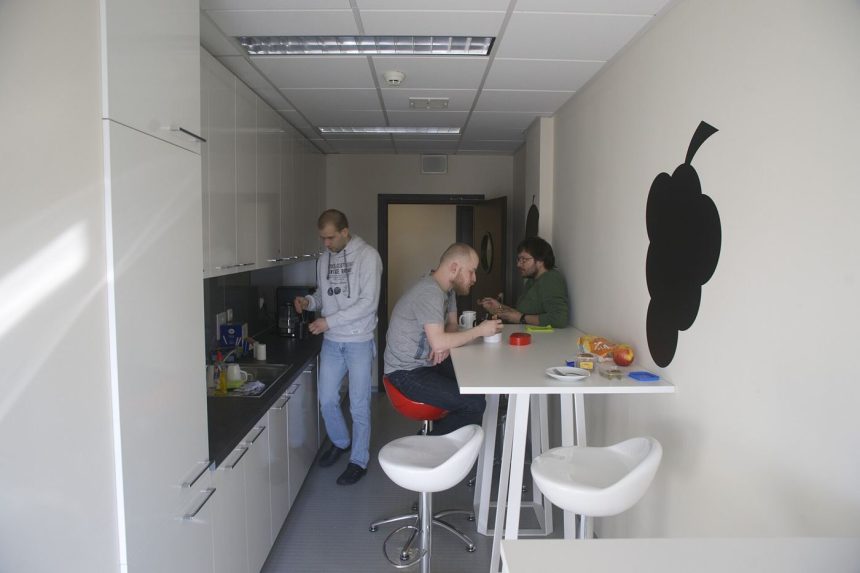
Jumping straight from one task to the next carries a hidden cost that psychologists call attention residue: part of the mind keeps turning over the previous job, leaving less focus available for whatever comes next. The effect is strongest when the first task was unfinished or emotionally involving, such as a difficult email, a tense call, or a problem left half solved. A deliberate reset of just two minutes between tasks can clear much of that residue. Standing up, looking into the distance, taking a few slow breaths, or jotting one line about where the previous task stopped all signal to the brain that the chapter has closed. Workers who build in these micro-pauses often report that the next task feels easier to start and that their afternoons contain fewer of the muddled, half-present hours that make a day feel longer than it was. The pause is not idleness; it is the mental equivalent of clearing a desk before spreading out new work. In busy workplaces the idea can seem indulgent, yet the arithmetic favours it: two minutes spent resetting regularly saves far more in recovered concentration across the working day.
What the Evidence Shows
Researchers who study task switching recommend making the reset a fixed ritual rather than an occasional treat, because rituals are remembered when willpower is busy elsewhere. A common version has three parts: note the next step of the task being left, so the brain trusts it is safely parked; physically change state by standing, stretching, or getting water; then name the purpose of the coming task in one sentence before opening it. That final step matters, because attention follows intention, and arriving at a task knowing why it matters makes distraction less tempting. Managers can support the habit by not treating every pause as disengagement, since the colleague staring out of the window for two minutes may be doing the most useful thinking of their hour. The principle applies beyond offices: parents moving from work mode to family time, students switching subjects, and carers moving between responsibilities all benefit from a small bridge rather than a sudden jump. Over a day, these bridges add up to a calmer mind that finishes tasks more completely and carries less unfinished business into the evening, which is where better rest and better mornings usually begin for people. Reporting and analysis from sources such as American Psychological Association track the same developments, and specialists following short resets between tasks say the direction is now consistent across independent lines of evidence.
The Wider Context
The wider context is a discipline rebuilding confidence through replication and pre-registration, and findings on short resets between tasks are being reported with their effect sizes and limits attached. That honesty can make results sound smaller than the headlines of a decade ago, but the effects that survive are the ones practitioners can responsibly build on.
What Happens Next
What happens next in research on short resets between tasks is a turn toward real-world trials: longer, larger and conducted in the schools, workplaces and clinics where the findings are meant to apply. Psychologists are also studying individual differences more seriously, because average effects conceal the people for whom an approach works powerfully and those it leaves cold. Both shifts make the science slower and more useful. You can follow related developments in our coverage of psychology.
There is a practical lesson in all of this for readers deciding what to do today. Start with the verified facts, be wary of anyone promising certainty, and prefer reversible steps while the evidence is still developing. Circumstances differ by country, income and personal situation, so general guidance should always be weighed against your own context before you act on it in any significant or lasting way.
