

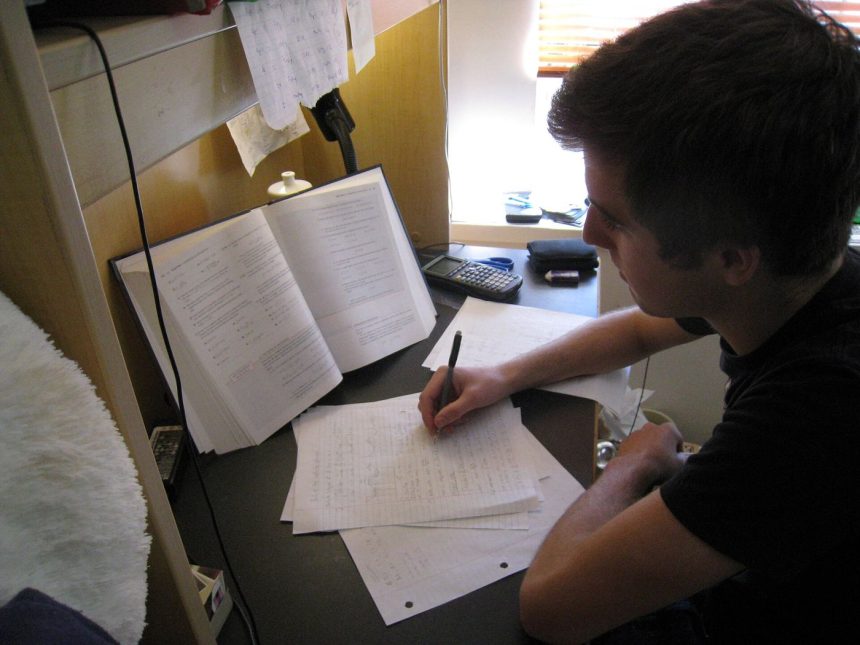
Flashcards look almost too simple to be a serious study method, yet they embody two of the most reliable findings in learning research: retrieval practice and spaced repetition. Retrieval practice means that trying to recall an answer, rather than rereading it, strengthens memory far more effectively, even when the attempt partly fails. Spacing means that revisiting material at increasing intervals beats cramming the same hours into one session, because each return trip catches the memory just as it begins to fade. Flashcards force both processes into a routine a student can hold in one hand. Digital versions automate the spacing with algorithms, while paper cards offer the same benefits through a simple system of piles for known and unknown items. Psychologists who study exam stress add a further advantage: cards turn revision into small, visible units of progress. Instead of facing an entire subject, the student faces the next card, and the shrinking unknown pile provides concrete evidence that preparation is genuinely working.
What the Evidence Shows
Technique decides whether flashcards deliver on their promise. Cards work best when each asks one clear question with one clear answer, since overloaded cards hide exactly which fact has been forgotten. Writing cards personally, rather than only downloading ready-made sets, adds a first round of processing, although shared decks can help with large factual subjects such as anatomy or vocabulary. The honest moment is the answer check: students are advised to say or write their answer before turning the card over, because recognising the right answer feels like knowing it, while producing it is the skill exams actually test. Difficult cards should return more often, not be quietly removed, and mixing subjects within a session, called interleaving, further strengthens flexible recall. Used this way, flashcards also reduce stress by replacing vague worry with information, showing precisely which topics need attention while there is still time. Teachers caution that cards suit facts and concepts best, and should sit alongside essays, problems and discussion for subjects that reward extended reasoning. Reporting and analysis from sources such as American Psychological Association track the same developments, and specialists following flashcards helping students remember with less stress say the direction is now consistent across independent lines of evidence.
The Wider Context
The wider context is a discipline rebuilding confidence through replication and pre-registration, and findings on flashcards helping students remember with less stress are being reported with their effect sizes and limits attached. That honesty can make results sound smaller than the headlines of a decade ago, but the effects that survive are the ones practitioners can responsibly build on.
What Happens Next
What happens next in research on flashcards helping students remember with less stress is a turn toward real-world trials: longer, larger and conducted in the schools, workplaces and clinics where the findings are meant to apply. Psychologists are also studying individual differences more seriously, because average effects conceal the people for whom an approach works powerfully and those it leaves cold. Both shifts make the science slower and more useful. You can follow related developments in our coverage of psychology.
There is a practical lesson in all of this for readers deciding what to do today. Start with the verified facts, be wary of anyone promising certainty, and prefer reversible steps while the evidence is still developing. Circumstances differ by country, income and personal situation, so general guidance should always be weighed against your own context before you act on it in any significant or lasting way.
