

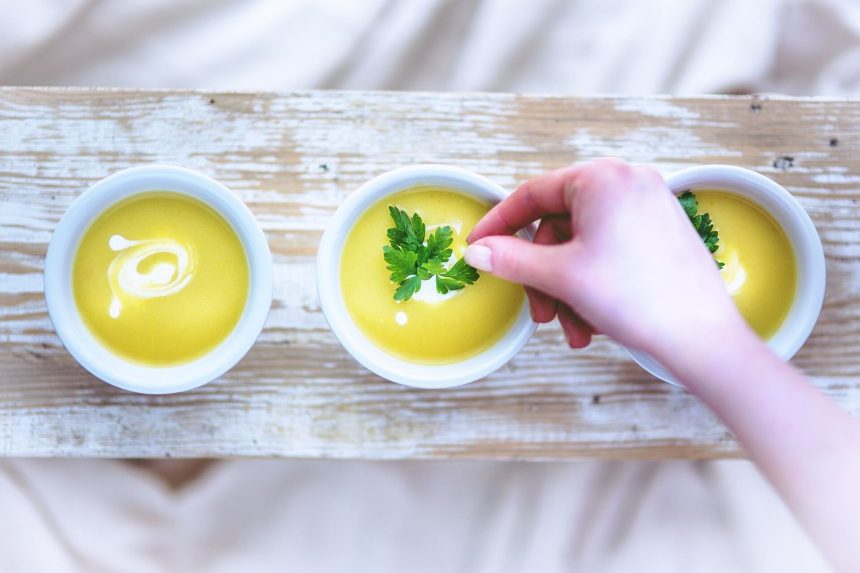
Community cooking groups are proving to be a surprisingly effective health intervention, combining practical skills, affordable ingredients and the motivation that comes from eating together. Health workers running the sessions teach knife skills, batch cooking, label reading and how to build satisfying meals around vegetables, beans and whole grains without expensive specialty products. Participants exchange cultural recipes and adapt family favourites rather than following rigid diet plans. Organisers say confidence is the key outcome: people who cook from scratch more often tend to rely less on ultra processed convenience food.
What the Evidence Shows
The groups also tackle loneliness and food waste, two problems that quietly shape eating habits. Shared shopping lists, leftover clinics and freezer friendly recipes stretch budgets while reducing what gets thrown away. Dietitians attend some sessions to answer questions about diabetes, blood pressure and children’s tastes without lecturing. Evaluations show the social element keeps attendance higher than classroom style nutrition talks. As living costs squeeze households, cooking together offers health advice people can taste, afford and realistically repeat in their own kitchens every week. Reporting and analysis from sources such as World Health Organization track the same developments, and specialists following cooking together builds lasting confidence say the direction is now consistent across independent lines of evidence.
The Wider Context
The wider context is a health system trying to move from treating illness late to preventing it early, against budgets that reward the opposite. Evidence around cooking together builds lasting confidence is being weighed by guideline committees that ask two questions in order: does it work, and can ordinary services actually deliver it at scale. Many good ideas pass the first test and stall on the second.
What Happens Next
What happens next for cooking together builds lasting confidence depends on the slow machinery of guidelines, funding and training catching up with the evidence. Patients asking about it today should expect honest answers that include uncertainty, and clinicians say a service that explains what is not yet known earns more trust than one that oversells. The research pipeline, at least, is moving in the right direction. You can follow related developments in our coverage of health.
There is a practical lesson in all of this for readers deciding what to do today. Start with the verified facts, be wary of anyone promising certainty, and prefer reversible steps while the evidence is still developing. Circumstances differ by country, income and personal situation, so general guidance should always be weighed against your own context before you act on it in any significant or lasting way.
It is also worth remembering how quickly the picture in this area has changed before. Positions that looked settled a few years ago have been revised as new data arrived, and the same humility is appropriate now. The strongest coverage of this subject, and the most useful advice, tends to come from sources that update their views openly when the facts move, rather than defending an earlier position long after it has stopped fitting the evidence available.
