

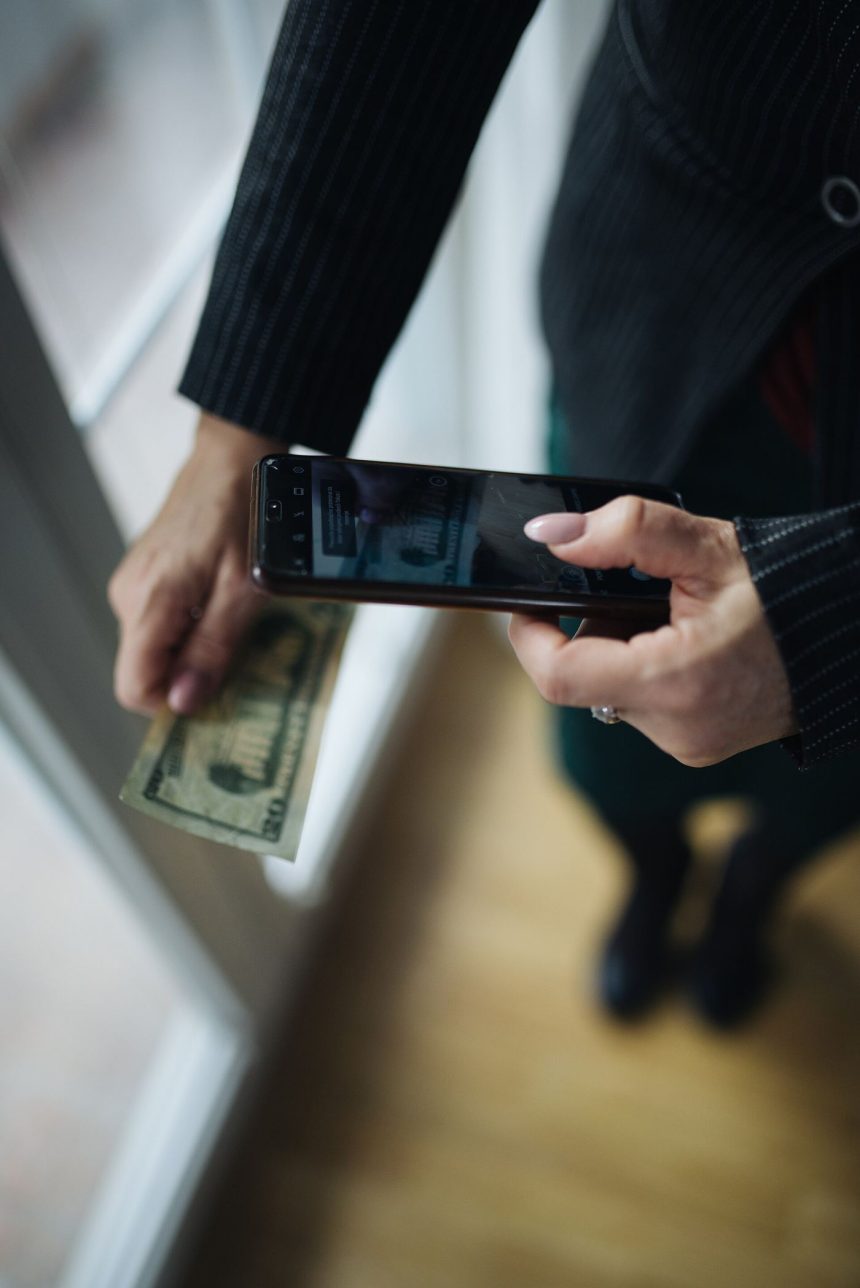
Mobile crypto wallet users are being offered passkeys as a safer, simpler way to confirm sign in and approve sensitive account actions. Passkeys use device biometrics and cryptographic keys instead of reusable passwords that can be phished or leaked. Wallet providers say the change can reduce account takeover attempts, provided users still protect recovery options and verify exactly what they are approving inside the application itself. Observers say the pattern is becoming clearer as more real world examples are documented and compared carefully over time.
What the Evidence Shows
Passkeys do not remove every risk in crypto. Malicious approvals, fake support messages, and compromised devices can still lead to losses, so transaction previews and withdrawal allow lists remain important. Users should update apps only from official stores, test recovery on a spare device where possible, and keep backup methods stored securely offline. Convenience improves security only when people understand which actions a confirmation actually authorises each time. Taken together, these steps point toward practical progress that can be measured, shared, and improved by others facing similar challenges. Reporting and analysis from sources such as CoinDesk track the same developments, and specialists following wallet passkey security say the direction is now consistent across independent lines of evidence.
The Wider Context
Market structure around wallet passkey security has matured in measurable ways: deeper liquidity, professional custody and surveillance-sharing agreements that exchanges once resisted. None of that removes volatility, and regulators repeat that message in every publication. What it changes is the kind of failure investors face, from disappearing venues toward ordinary, legible market risk.
What Happens Next
The outlook for wallet passkey security is best stated in scenarios rather than predictions, because this market still moves on sentiment as much as on fundamentals. The structural trends, institutional participation, regulated products and better consumer protection, point one way; the price charts will continue to point in several directions at once. Separating those two statements is the beginning of competence here. You can follow related developments in our coverage of crypto.
It is also worth remembering how quickly the picture in this area has changed before. Positions that looked settled a few years ago have been revised as new data arrived, and the same humility is appropriate now. The strongest coverage of this subject, and the most useful advice, tends to come from sources that update their views openly when the facts move, rather than defending an earlier position long after it has stopped fitting the evidence available.
None of this will be settled by a single announcement, study or product launch. The pattern to watch is accumulation: independent confirmations, honest reporting of failures and steady improvement in the underlying numbers. Readers who follow those signals, rather than the loudest claim of the week, will understand this subject better than most of the commentary surrounding it suggests is possible.
