

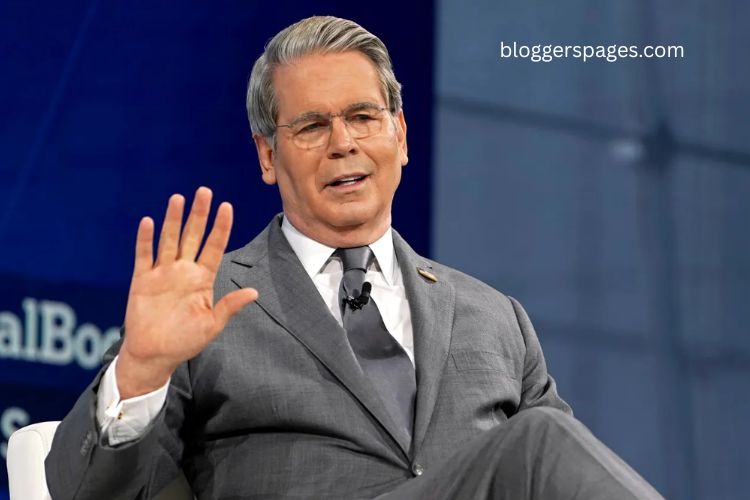
U.S. Treasury Secretary Scott Bessent highlighted a very strong holiday season for the economy and forecasted that the country would close the year with 3% real GDP growth, signaling robust economic momentum despite earlier concerns.
Read More: UK Markets Brace for Volatility Amid Risks and Opportunities as Crucial Interest Rate Decisions Loom
Strong Holiday Spending Bolsters Economic Outlook
Bessent emphasized that consumer spending during the holiday season has been unexpectedly strong. In an interview on CBS News’ Face the Nation, he stated:
“The economy has been better than we thought. We’ve had 4% GDP growth in a couple of quarters. We’re going to finish the year, despite the Schumer shutdown, with 3% real GDP growth.”
Consumer spending drives nearly 70% of the U.S. GDP, making holiday retail performance a critical indicator of the broader economic climate. According to Treasury officials, stronger-than-expected sales suggest that Americans continue to spend despite inflationary pressures and rising costs in some sectors.
Quarterly GDP Performance: A Mixed Picture
The U.S. economy experienced fluctuations throughout 2025. Gross Domestic Product (GDP) contracted by 0.6% year-over-year in the first quarter, reflecting lingering challenges from the post-pandemic recovery. However, the second quarter delivered a significant rebound, with GDP growing 3.8%.
Initial estimates for the third quarter are expected from the Bureau of Economic Analysis (BEA) on December 23. The Federal Reserve Bank of Atlanta reported a preliminary estimate of 3.5% annual GDP growth for the third quarter, reinforcing the view of a steady economic recovery.
Consumer Sentiment Remains Cautious
Despite encouraging GDP numbers, Americans remain cautious about their financial situation. The University of Michigan’s consumer sentiment survey recorded a score of 53.3 in December, showing a 4.5% increase from November but a 28% decline compared to the previous year.
Experts note that media coverage of inflation, energy shortages, and regulatory changes has influenced perceptions, contributing to a disconnect between actual economic growth and public sentiment. Bessent remarked:
“The American people don’t know how good they have it. Now, Democrats created scarcity, whether it was in energy or over-regulation, that we are now seeing this affordability problem, and I think next year we’re going to move on to prosperity.”
Inflation Trends and the Cost of Living
Inflation remains a central concern for both policymakers and consumers. A delayed government report indicated that consumer prices rose 3% year-over-year in September, with food at home increasing by 3.1%. While moderate, these increases still influence how households perceive affordability and economic stability.
President Donald Trump has publicly challenged concerns over affordability, calling it a “Democrat scam” during a cabinet meeting. This narrative has added to public debate on whether Americans are truly feeling financial pressure or if perceptions are influenced by political messaging.
Political Perspectives and Economic Perceptions
Public sentiment toward the administration’s handling of the economy is mixed. Recent NBC News polling revealed that around two-thirds of registered voters believe the Trump administration has underperformed on economic management and cost-of-living issues.
Bessant addressed these critiques by pointing out that some inflationary challenges were inherited from the previous administration, emphasizing that media coverage has shaped much of the public’s perception of economic hardships.
Employment and Payroll Trends
Labor market dynamics also paint a nuanced picture. In November 2025, private payrolls unexpectedly fell by 32,000, according to ADP reports. Additionally, layoff announcements exceeded 1.1 million, the highest since 2020.
While these figures may raise concerns, analysts highlight that overall GDP growth and strong consumer spending suggest resilience in other sectors. Treasury officials remain optimistic that continued economic expansion will offset short-term fluctuations in employment.
Federal Reserve and Inflation Management
The Federal Reserve continues to monitor core inflation, which recently registered at 2.8%, reflecting a manageable but persistent upward pressure on prices. Inflation data informs the Fed’s policy decisions, impacting interest rates, lending, and consumer confidence.
Bessent stressed that maintaining stable inflation will be crucial to sustaining growth and ensuring that Americans continue to experience improvements in real income and purchasing power.
Outlook for 2026: Growth and Prosperity
Looking ahead, Treasury Secretary Bessent expressed confidence that the U.S. economy is on track for continued expansion in 2026. He emphasized that challenges such as inflation, regulatory hurdles, and political disagreements are manageable, and that consumer optimism will likely strengthen as economic conditions improve.
“Next year, we’re going to move on to prosperity,” Bessent said, highlighting a vision of sustained growth supported by strong consumer spending and strategic economic policies.
Analysts predict that holiday retail performance, coupled with stable GDP growth, could signal a resilient economy entering the new year. This optimism aligns with broader trends indicating that, despite temporary setbacks, the fundamentals of the U.S. economy remain strong.
Frequently Asked Questions:
Who is Scott Bessent?
Scott Bessent is the U.S. Treasury Secretary, responsible for overseeing federal economic policy, financial markets, and the country’s fiscal strategy.
What is GDP and why is 3% significant?
GDP, or Gross Domestic Product, measures the total value of goods and services produced in a country. A 3% growth rate indicates a healthy economy, signaling robust consumer spending and business activity.
Why does Bessent call the holiday season ‘very strong’?
He refers to the higher-than-expected consumer spending during the holiday period, which boosts retail sales and contributes significantly to economic growth.
How does consumer sentiment affect the economy?
Consumer sentiment reflects how confident people feel about spending. Positive sentiment usually drives higher consumption, which fuels GDP growth, while low sentiment can slow economic momentum.
How has the U.S. economy performed in 2025 so far?
GDP growth fluctuated: contracting 0.6% in the first quarter, rebounding 3.8% in the second quarter, with estimates of 3.5% growth in the third quarter. Overall, the economy shows steady recovery.
How do inflation and rising prices impact consumers?
Higher inflation increases the cost of living, affecting affordability and spending patterns. While inflation has moderated, consumers still feel its impact on essentials like food and energy.
What role does media coverage play in public economic perception?
Media coverage can influence how Americans view the economy, sometimes emphasizing negative trends, which may not align with actual economic growth figures.
Conclusion
Treasury Secretary Scott Bessent’s forecast of 3% U.S. GDP growth and a very strong holiday season highlights the resilience of the American economy. Despite fluctuations in consumer sentiment, inflation concerns, and political debates, economic fundamentals remain strong. Robust consumer spending, steady GDP growth, and strategic fiscal policies signal that the U.S. is on a path toward sustained prosperity as it heads into 2026.
