

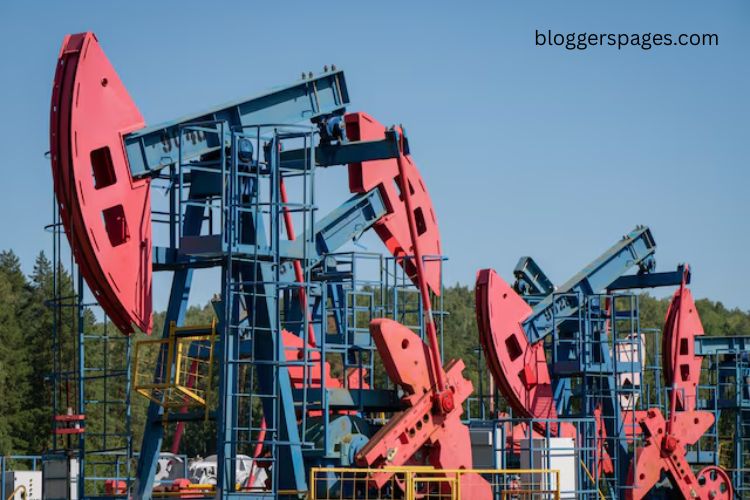
Oil prices moved lower as global markets reacted to a complex mix of geopolitical developments, rising supply signals, and anticipation surrounding U.S. monetary policy. After posting sharp losses in the previous session, crude prices struggled to regain momentum, reflecting investor caution and an increasingly uncertain outlook for energy demand and supply.
Brent crude futures settled below the $62 mark, while U.S. West Texas Intermediate slipped further under $60 per barrel. The declines followed a significant drop earlier in the week, underscoring the fragile sentiment currently shaping oil markets. Traders remain focused on diplomatic efforts related to the Russia-Ukraine war, potential changes to sanctions, and broader macroeconomic signals that could influence energy consumption worldwide.
Geopolitical Hopes Clash With Market Skepticism
Renewed attention on peace talks between Ukraine and Russia has become a key factor influencing oil prices. Ukrainian leadership is preparing to share a revised peace proposal with U.S. officials after high-level discussions involving major European leaders. Any meaningful progress toward ending the conflict could reshape global energy flows, particularly if sanctions on Russian oil exports are relaxed or removed.
Russia remains one of the world’s largest oil producers, and sanctions imposed since the start of the war have limited its ability to sell crude freely on global markets. A potential peace agreement could unlock additional supply, easing current restrictions and increasing available barrels. While this scenario might stabilize energy markets in the long term, traders worry it could also deepen oversupply conditions in the near term.
Despite diplomatic efforts, market participants remain cautious. Many analysts question whether Russia is genuinely committed to a swift resolution, suggesting negotiations may be prolonged. This skepticism has limited any upside momentum for oil prices, as traders hesitate to price in outcomes that remain uncertain.
Energy Infrastructure Under Pressure
Ongoing conflict continues to disrupt Ukraine’s energy infrastructure, reinforcing the fragility of the situation. Recent attacks have caused widespread power outages in Kyiv and other regions, highlighting the war’s ongoing economic and humanitarian impact. These developments remind markets that geopolitical risk remains elevated, even as peace discussions gain attention.
However, instead of driving prices higher through risk premiums, the conflict’s current phase appears to be overshadowed by concerns over supply growth and weakening demand expectations. This shift reflects how macroeconomic factors are increasingly dominating oil price movements.
Rising Supply Weighs on Crude Prices
Ample global supply has emerged as a major drag on oil prices. Production restarts at large oilfields, including a major field in Iraq, have added fresh barrels to an already well-supplied market. These additional volumes have intensified pressure on prices, especially as demand growth shows signs of slowing.
Oil cargoes at sea have also increased steadily in recent months, signaling that supply is outpacing consumption. Higher floating storage levels typically suggest weaker market fundamentals, as producers struggle to find immediate buyers. This trend has reinforced bearish sentiment and limited the potential for price rebounds.
At the same time, U.S. sanctions targeting specific Russian oil companies have helped prevent a sharper decline in prices. These measures continue to restrict certain exports, partially offsetting the impact of rising supply elsewhere. Without these constraints, analysts suggest crude prices could have fallen more aggressively.
Sanctions Strategy Under Review
Western nations are reassessing their approach to limiting Russia’s oil revenues. Discussions are underway among major economies about replacing the existing price cap on Russian crude with stricter measures, including a possible ban on maritime services. Such a move could significantly disrupt Russian exports, tightening supply and reshaping global trade routes.
The outcome of these discussions remains uncertain, but markets are closely monitoring developments. A tougher sanctions regime could provide support for oil prices, while any easing of restrictions tied to peace progress could have the opposite effect. This policy uncertainty has contributed to heightened volatility in energy markets.
Focus Shifts to Global Supply Outlook
Attention is now turning to upcoming reports from major energy agencies, which are expected to offer fresh insight into the global oil balance. Recent forecasts have highlighted the risk of a substantial supply surplus in the coming years, raising concerns about prolonged downward pressure on prices.
If future reports continue to emphasize surplus risks, traders may push crude prices toward lower technical support levels. Such projections reinforce the idea that supply growth could outpace demand, particularly if economic growth remains subdued across key consuming regions.
U.S. Inventories Send Mixed Signals
Recent inventory data from the United States has added another layer of complexity to the market outlook. Crude stockpiles fell sharply last week, suggesting strong refinery demand or reduced imports. However, gasoline and distillate inventories rose significantly, pointing to softer end-user demand for fuel products.
This mixed picture reflects broader uncertainty about consumption trends. While lower crude inventories typically support prices, rising fuel stocks indicate that consumers and businesses may be cutting back on usage. These conflicting signals have prevented oil prices from finding a clear direction.
Upcoming official inventory data is expected to provide further clarity. Traders will analyze refinery runs, export levels, and product demand to assess whether current trends are temporary or part of a broader slowdown.
Federal Reserve Decision Looms Large
Beyond supply and geopolitics, macroeconomic policy remains a critical driver for oil markets. Investors are closely watching the Federal Reserve’s upcoming interest rate decision, with expectations leaning toward a modest rate cut. Lower interest rates generally support economic activity by reducing borrowing costs, which can boost energy demand.
A rate reduction could weaken the U.S. dollar, making oil cheaper for buyers using other currencies and potentially lifting prices. However, some analysts caution that monetary easing alone may not be enough to offset structural supply pressures and demand concerns.
Markets appear to be pricing in the rate move already, limiting its immediate impact on crude prices. Instead, traders are focused on guidance from policymakers regarding future rate paths and economic conditions. Any signals of a deeper slowdown could weigh further on oil demand expectations.
Balancing Risks and Opportunities
Oil markets are currently navigating a delicate balance between competing forces. On one hand, geopolitical risks, sanctions uncertainty, and potential monetary easing offer sources of support. On the other, rising supply, surplus forecasts, and mixed demand signals continue to cap price gains.
This environment has encouraged cautious trading, with investors reluctant to take large positions until clearer signals emerge. Short-term price movements are likely to remain sensitive to headlines, particularly those related to peace negotiations, sanctions policy, and economic data.
Frequently Asked Questions:
Why did oil prices drop nearly 1% recently?
Oil prices fell as traders reacted to growing global supply, ongoing geopolitical tensions in Ukraine, and anticipation of the Federal Reserve’s upcoming interest rate decision. Market participants are cautious, balancing hopes for peace with economic and supply concerns.
How are Ukraine peace talks affecting oil prices?
Peace negotiations between Ukraine and Russia could potentially lift sanctions on Russian oil, increasing global supply. While this might stabilize markets in the long term, traders remain skeptical about Russia’s commitment, keeping prices under pressure.
What role do U.S. interest rates play in oil pricing?
The Federal Reserve’s decisions on interest rates influence oil demand indirectly. Lower rates reduce borrowing costs and can boost economic activity, increasing fuel consumption. Conversely, higher rates can slow growth and suppress energy demand.
Are supply issues also impacting oil prices?
Yes. Rising production from major oilfields, increasing oil cargoes at sea, and easing sanctions in some regions have added to supply, weighing on prices. At the same time, some restrictions on Russian oil exports provide partial support.
How does geopolitical uncertainty affect investor behavior?
Traders remain cautious amid uncertainty over Ukraine-Russia relations, potential sanctions, and regional conflicts. This cautious sentiment contributes to price volatility, as markets struggle to price in uncertain outcomes.
Could oil prices rebound soon?
Potential catalysts for a rebound include progress in peace talks, new sanctions limiting supply, or positive economic indicators that boost demand. However, market volatility is likely to persist until there is clarity on these factors.
What are the key levels for oil traders to watch?
Analysts often monitor Brent crude around $61–$62 per barrel and WTI near $58–$59 per barrel. Breaking below these ranges could signal further downward pressure, while strong support levels may stabilize prices temporarily.
Conclusion
Oil prices remain under pressure as markets navigate a delicate balance of geopolitical developments, supply dynamics, and economic signals. While Ukraine peace talks offer potential for long-term stability, skepticism and ongoing production growth continue to weigh on prices. Additionally, the Federal Reserve’s upcoming interest rate decision adds another layer of uncertainty, influencing demand expectations and market sentiment. In this volatile environment, traders and investors must stay alert to shifts in diplomacy, policy, and global energy fundamentals, as these factors will continue to shape the trajectory of crude oil markets in the weeks ahead.
