

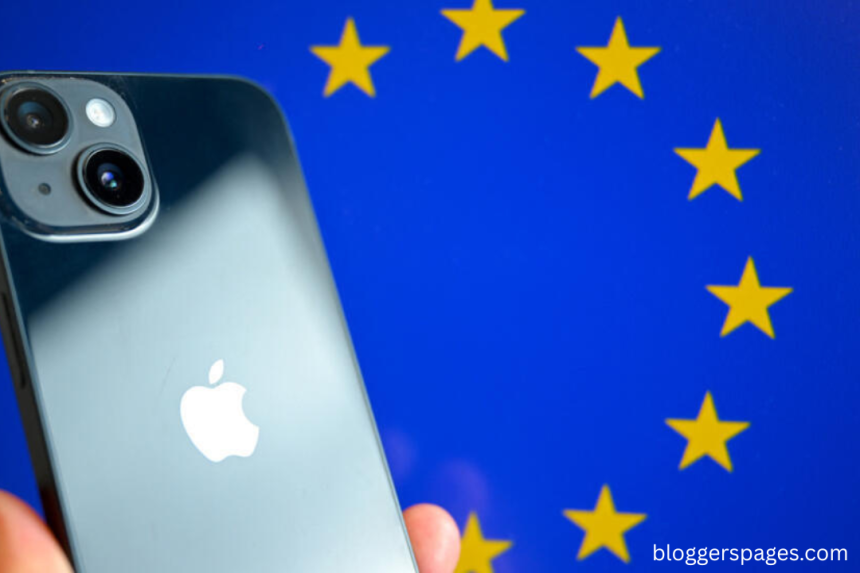
The European Union has fined Apple €500 million for breaching the Digital Markets Act (DMA). The European Commission determined that Apple’s App Store policies prevented app developers from informing users about alternative purchasing options outside the App Store, thereby limiting competition and consumer choice.
The Digital Markets Act
The Digital Markets Act, implemented in May 2023, aims to ensure fair competition in the digital sector by regulating large online platforms identified as “gatekeepers.” These gatekeepers are prohibited from engaging in practices that hinder competition, such as restricting business users from promoting alternative services.
Apple’s Violation of the DMA
The European Commission found that Apple violated the DMA by enforcing “anti-steering” provisions. These provisions prevented app developers from informing users about cheaper subscription options available outside the App Store. This practice was deemed to limit consumer choice and stifle competition.
Implications for App Developers and Consumers
The EU’s decision mandates that Apple must remove restrictions that prevent developers from directing users to alternative purchasing options. This change is expected to empower developers to offer more competitive pricing and provide consumers with more excellent choices.
Apple’s Response and Potential Appeals
Apple has expressed disagreement with the EU’s decision and is considering an appeal. The company argues that its App Store policies are designed to protect user privacy and security.
Broader Impact on the Tech Industry
The €500 million fine against Apple sets a precedent for the enforcement of the DMA. It signals the EU’s commitment to regulating digital markets and ensuring that dominant platforms do not engage in anti-competitive practices. Other tech giants identified as gatekeepers under the DMA may also face scrutiny and potential penalties.
Future Compliance and Monitoring

Apple has been given 60 days to comply with the EU’s decision. Failure to do so may result in additional penalties. The European Commission will continue to monitor Apple’s practices to ensure adherence to the DMA.
Frequently Asked Questions (FAQs)
What is the Digital Markets Act (DMA)?
The DMA is an EU regulation that aims to ensure fair competition in digital markets by regulating large online platforms identified as gatekeepers.
Why was Apple fined €500 million?
Apple was fined for violating the DMA by preventing app developers from informing users about alternative purchasing options outside the App Store.
What are “anti-steering” provisions?
These are policies that restrict app developers from directing users to alternative purchasing options, thereby limiting competition.
How does this decision affect app developers?
Developers can now inform users about alternative purchasing options, potentially offering more competitive pricing.
What does this mean for consumers?
Consumers may benefit from increased transparency and access to more competitive pricing options outside the App Store.
Can Apple appeal the EU’s decision?
Yes, Apple has the right to appeal the decision and is considering doing so.
What happens if Apple doesn’t comply within 60 days?
Failure to comply may result in additional penalties imposed by the European Commission.
Will other tech companies be affected by the DMA?
Yes, other companies identified as gatekeepers under the DMA are subject to its regulations and may face similar scrutiny.
Conclusion
The European Union’s €500 million fine against Apple underscores the importance of fair competition in digital markets. By enforcing the Digital Markets Act, the EU aims to prevent dominant platforms from engaging in practices that limit consumer choice and hinder innovation. Apple’s case serves as a reminder to all gatekeepers of the need to align their business practices with regulatory standards.
